La Tauromaquia de Goya
Serie completa de grabados de Francisco de Goya y Lucientes sobre la historia y las suertes del toreo en Espana.
Imagenes cortesia del Metropolitan Museum of Art, Open Access (CC0). Dominio publico, sin restricciones de uso.
Sobre la serie
La Tauromaquia es una serie de 33 estampas grabadas al aguafuerte y aguatinta por Francisco de Goya y Lucientes, publicada por primera vez en 1816. La serie recorre la historia del toreo en Espana desde sus origenes medievales hasta las corridas contemporaneas al artista, incluyendo las hazanas de toreros celebres como Pedro Romero, Pepe-Hillo y el propio Carlos V.
Goya, profundo conocedor del mundo taurino y amigo personal de varios matadores de su epoca, plasmo en estos grabados la violencia, la bravura y el dramatismo inherentes a la fiesta. Cada plancha fue realizada con la tecnica del aguafuerte reforzada con aguatinta, logrando unos contrastes de luz y sombra que dotan a las escenas de una intensidad extraordinaria.
La primera edicion, de apenas 33 laminas, no tuvo gran exito comercial en vida de Goya. Sin embargo, ediciones posteriores incorporaron 11 estampas adicionales descubiertas en planchas ineditas, elevando el conjunto a 44 piezas. Hoy se considera una de las obras maestras del grabado universal y un documento historico insustituible sobre la tauromaquia espanola.
Los grabados
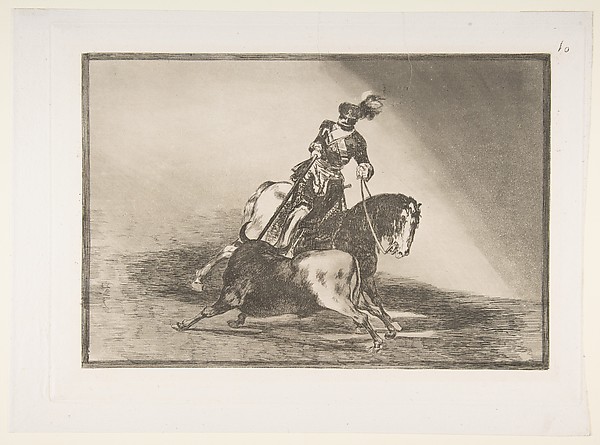
Charles V spearing a bull in the ring at Valladolid, plate 10 from "La Tauromaquia"
1816
Etching, burnished aquatint, drypoint, burin
![The agility and audacity of Juanito Apiñani in [the ring] at Madrid, plate 20 from "La Tauromaquia"](https://images.metmuseum.org/CRDImages/dp/web-large/DP817517.jpg)
The agility and audacity of Juanito Apiñani in [the ring] at Madrid, plate 20 from "La Tauromaquia"
1816
Etching, aquatint
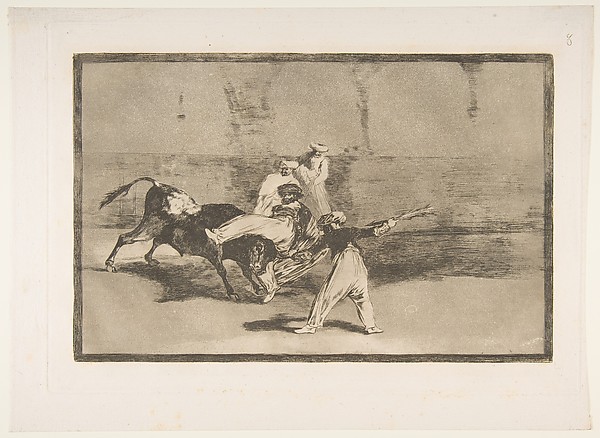
A Moor Caught by the Bull in the ring, plate 8 from "La Tauromaquia"
1816
Etching, burnished aquatint, drypoint
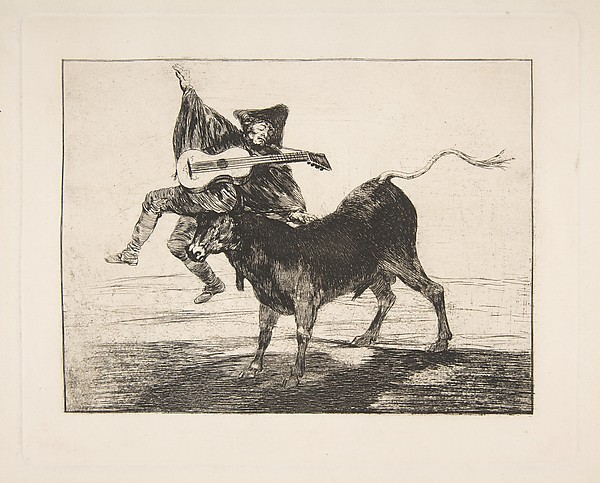
'Barbarous Entertainment', a blind guitarist on the horns of a bull
1800–1804 (published 1828–67)
Etching, aquatint, drypoint on laid paper

Plate 8 from "Tauromaquia": A moor caught by the bull in the ring
ca. 1816
Etching, burnished aquatint, drypoint
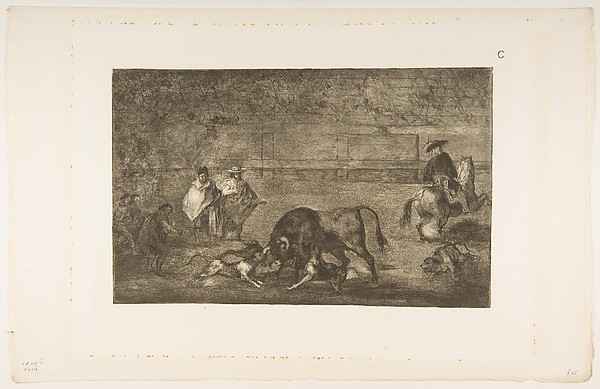
Plate C: The dogs let loose on the bull, from "Tauromaquia"
ca. 1816
Etching, burnished aquatint, drypoint, burin
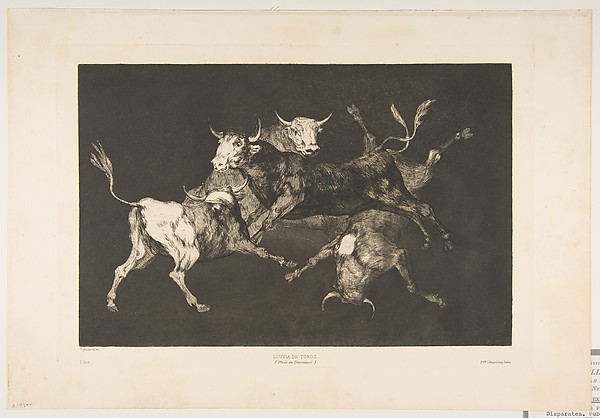
Little Bulls' Folly, from "The Disparates" (Disparates, Plate D)
ca. 1815–19 (published 1877)
Etching, aquatint, drypoint

A picador caught by a bull, from the "Bulls of Bordeaux"
1825
Crayon lithograph and scraper
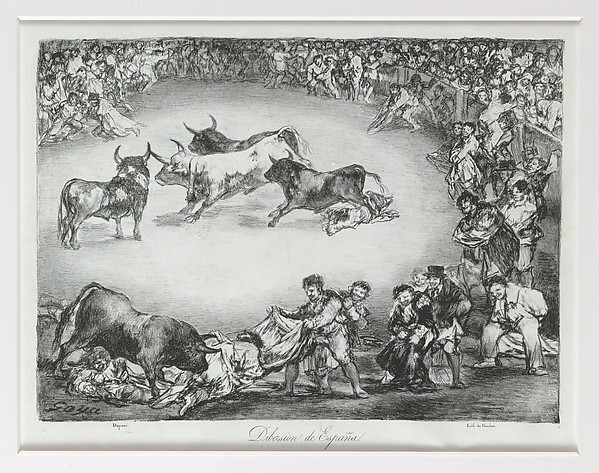
Spanish Entertainment from the 'Bulls of Bordeaux'
1825
Lithograph
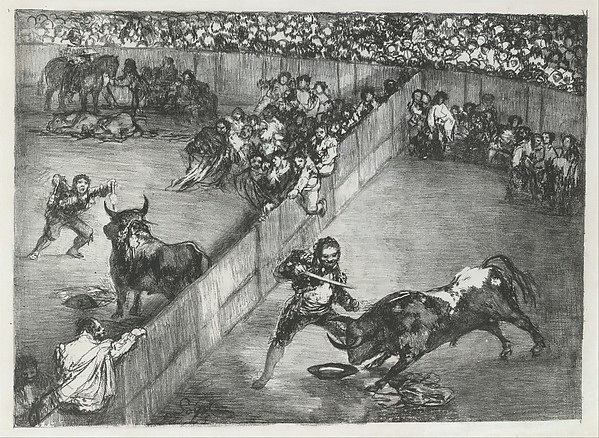
Bullfight in a divided ring, from the 'Bulls of Bordeaux'
1825
Lithograph
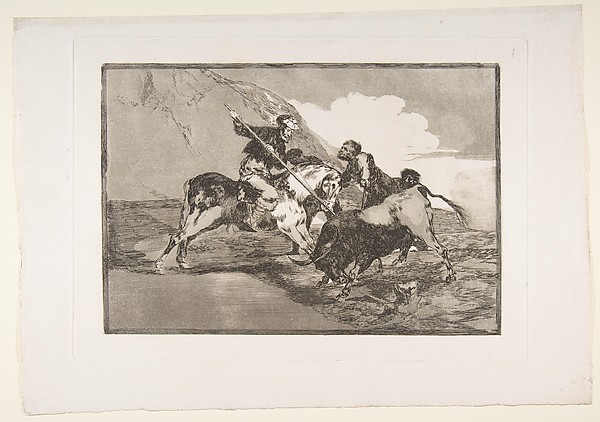
Plate 1 from "La Tauromaquia": The way in which the ancient Spaniards hunted bulls on horseback in the open country
1816
Etching, aquatint, drypoint
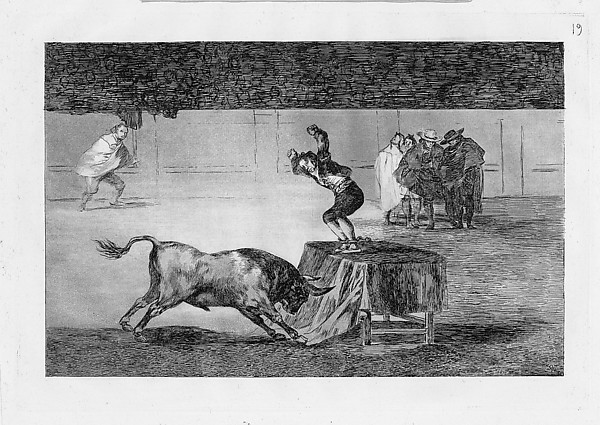
The Bullfight, plates 1-33 (La Tauromaquia); First edition, 1816
1816
Etching, aquatint, drypoint, burin, and burnishing
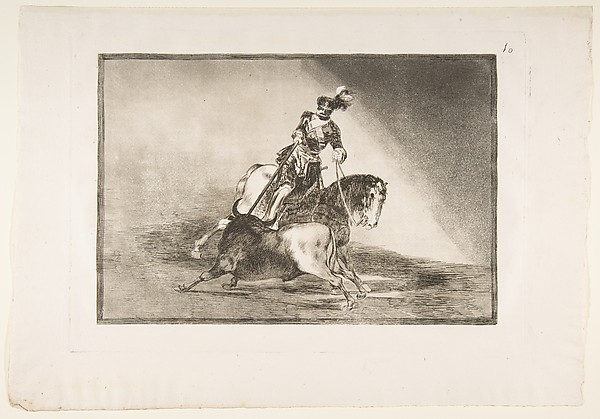
Plate 10 from "La Tauromaquia": Charles V spearing a bull in the ring at Valladolid
1816
Etching, burnished aquatint, drypoint, burin
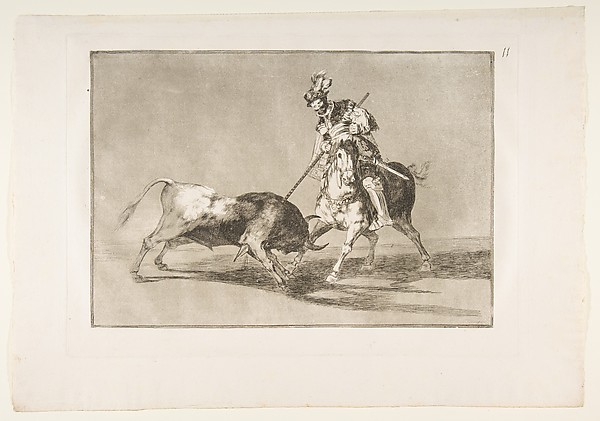
Plate 11 from "La Tauromaquia": The Cid campeador spearing another bull
1816
Etching, burnished aquatint, burin
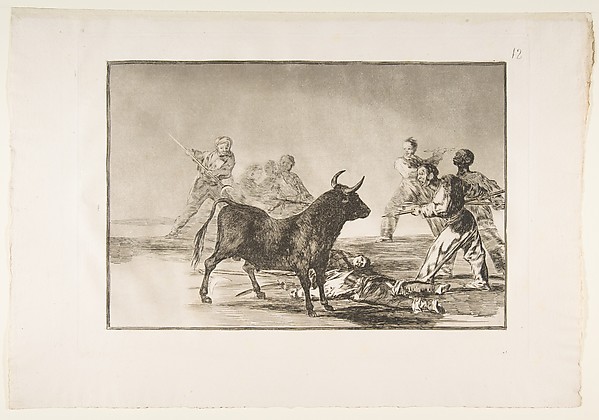
Plate 12 from "La Tauromaquia": The crowd hamstrings the bull with lances, sickles, banderillas and other arms
1816
Etching, aquatint, drypoint
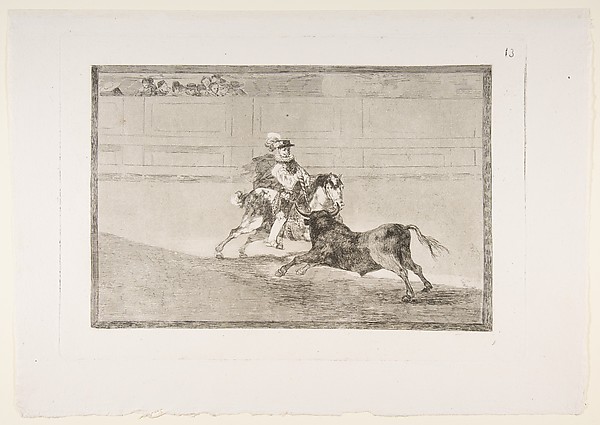
Plate 13 of "La Tauromaquia": A Spanish mounted knight in the ring breaking short spears without the help of assistants
1816
Etching, burnished aquatint, drypoint, burin
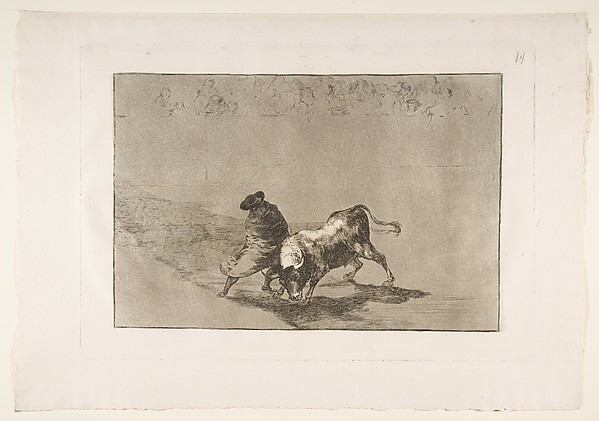
Plate 14 from "La Tauromaquia": The very skillful student of Falces, wrapped in his cape, tricks the bull with the play of his body
1816
Etching, aquatint, drypoint
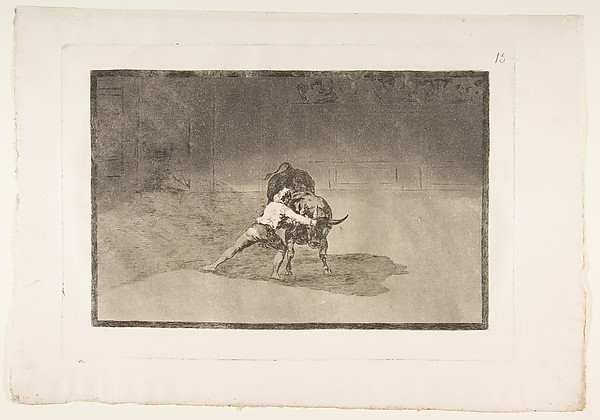
Plate 15 from "La Tauromaquia": The famous Martincho places the banderillas playing the bull with the movement of his body
1816
Etching, burnished aquatint, drypoint, burin
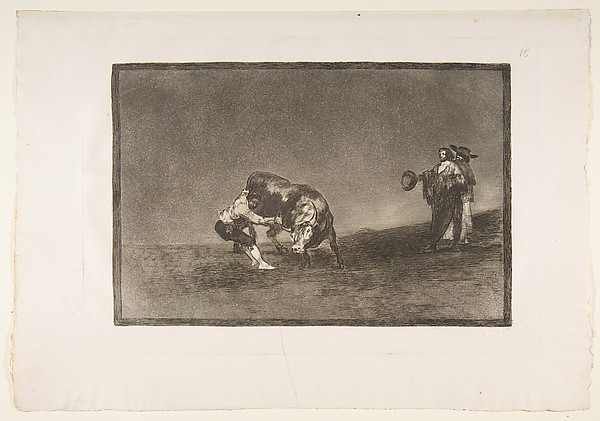
Plate 16 of "La Tauromaquia": The same man throws a bull in the ring at Madrid
1816
Etching, burnished aquatint, drypoint, burin

Plate 17 of "La Tauromaquia": The Moors use donkeys as a barrier to defend themselves against the bull whose horns have been tipped with balls
1816
Etching, burnished aquatint, drypoint, burin
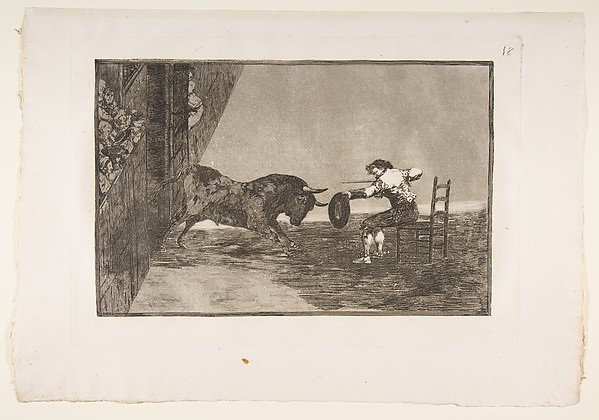
Plate 18 of "La 'Tauromaquia": The daring of Martincho in the ring at Zaragoza
1816
Etching, burnished aquatint, drypoint
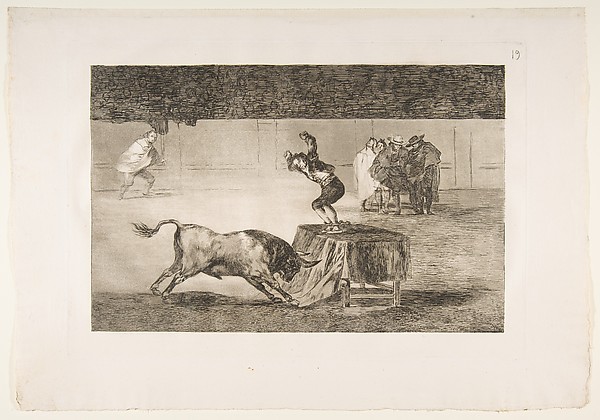
Plate 19 of "La Tauromaquia": Another madness of his in the same ring
1816
Etching, burnished aquatint, drypoint and burin
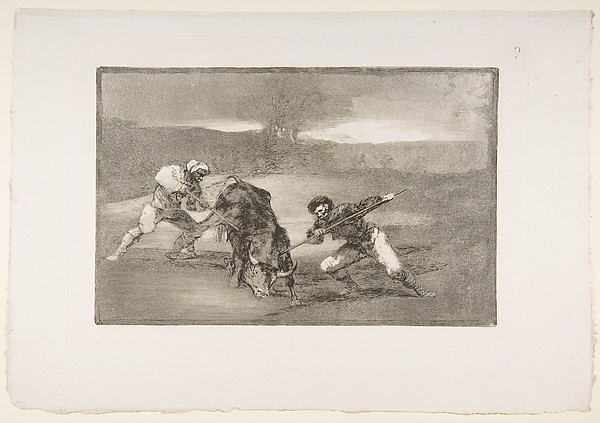
Plate 2 from "La Tauromaquia": Another way of hunting on foot
1816
Etching, burnished aquatint, drypoint, burin
![Plate 20 from "La Tauromaquia": The agility and audacity of Juanito Apiñani in [the ring] at Madrid](https://images.metmuseum.org/CRDImages/dp/web-large/DP817518.jpg)
Plate 20 from "La Tauromaquia": The agility and audacity of Juanito Apiñani in [the ring] at Madrid
1816
Etching, aquatint
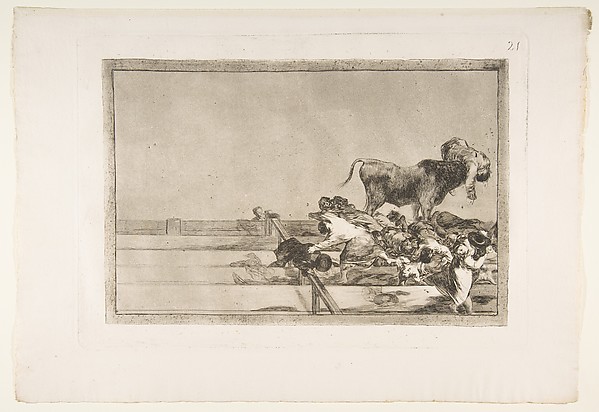
Plate 21 from "La Tauromaquia": Dreadful events in the front rows of the ring at Madrid and death of the mayor of Torrejon
1816
Etching, burnished aquatint, lavis, drypoint, burin
![Plate 22 from "La Tauromaquia": Manly courage of the celebrated Pajuelera in [the ring] at Zaragoza](https://images.metmuseum.org/CRDImages/dp/web-large/DP817786.jpg)
Plate 22 from "La Tauromaquia": Manly courage of the celebrated Pajuelera in [the ring] at Zaragoza
1816
Etching, burnished aquatint, drypoint, burin
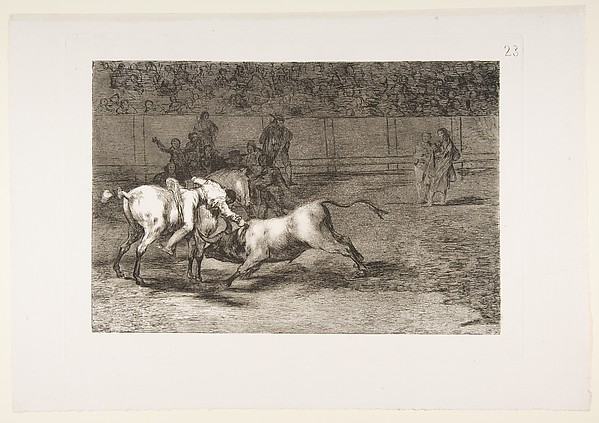
Plate 23 from "La Tauromaquia": Mariano Ceballos, alias the Indian, kills the bull from his horse
1816
Etching, burnished aquatint
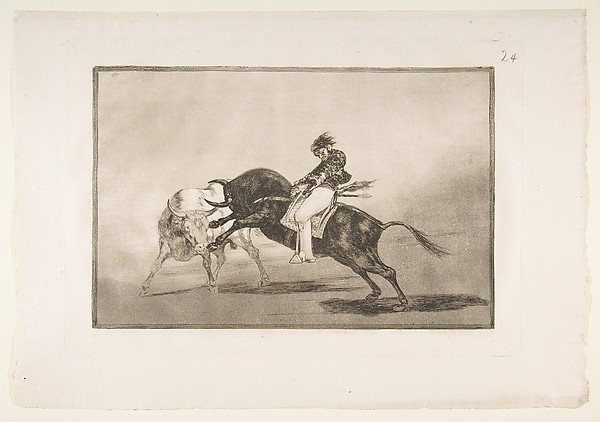
Plate 24 of "La Tauromaquia": The same Ceballos mounted on another bull breaks short spears in the ring at Madrid
1816
Etching, burnished aquatint, drypoint, burin
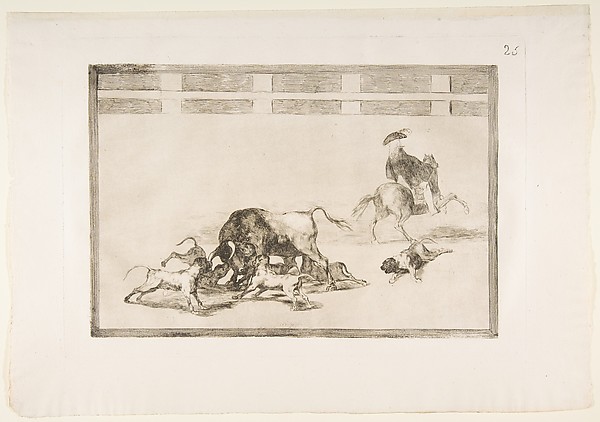
Plate 25 from "La Tauromaquia": They loose dogs on the bull
1816
Etching, burnished aquatint, drypoint
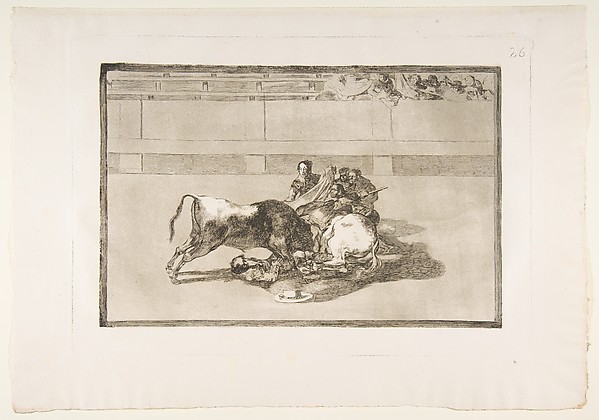
Plate 26 from "La Tauromaquia": A picador is unhorsed and falls under the bull
1816
Etching, burnished aquatint, drypoint
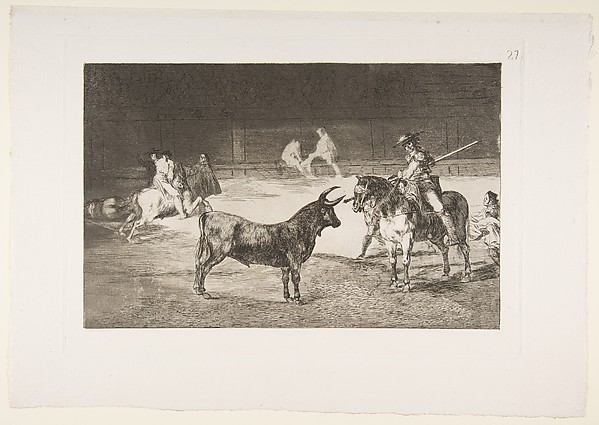
Plate 27 from "La Tauromaquia": The celebrated picador, Fernando del Toro, draws the fierce beast on with his pike
1816
Etching, aquatint, drypoint
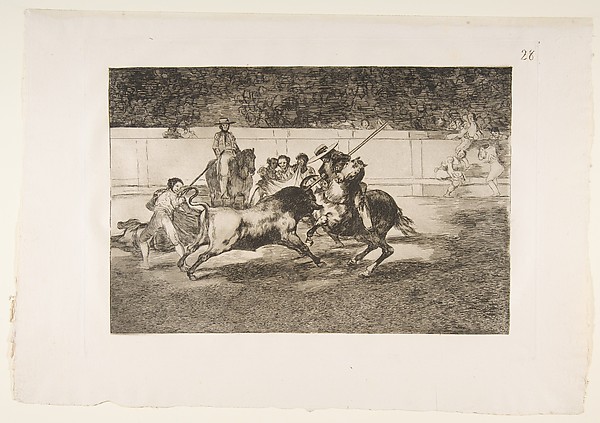
Plate 28 of "La Tauromaquia": The forceful Rendon stabs a bull with the pique, from which pass he died in the ring at Madrid
1816
Etching, burnished aquatint, burin
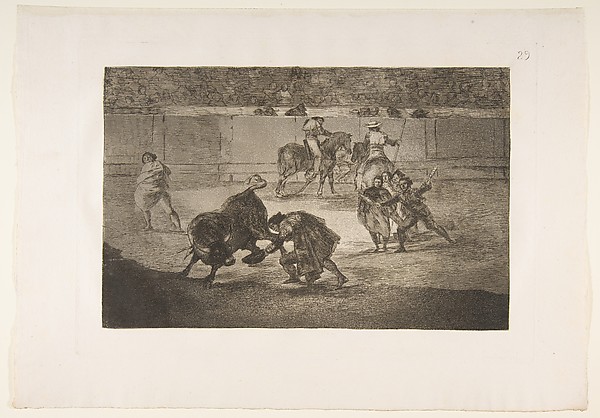
Plate 29 of "La Tauromaquia": Pepe Illo making the pass of the 'recorte'
1816
Etching, burnished aquatint, drypoint, burin
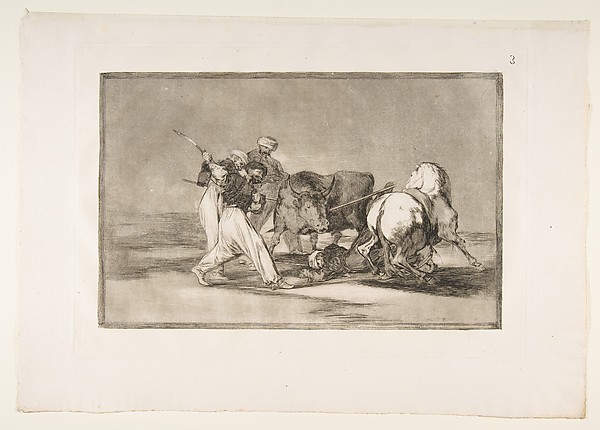
Plate 3 from " La Tauromaquia": The Moors settled in Spain, giving up the superstitions of the Koran, adopted this art of hunting, and spear a bull in the open
1816
Etching, burnished aquatint, drypoint, burin
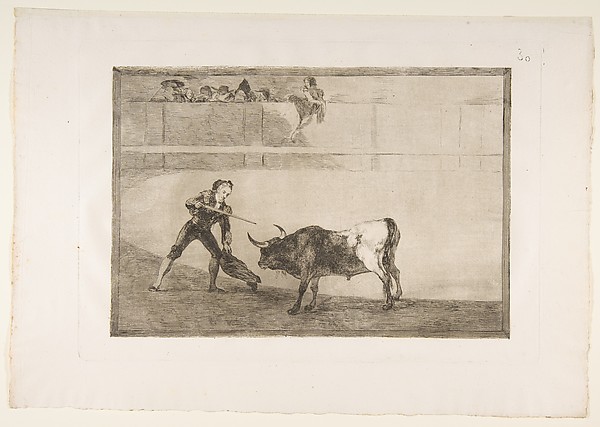
Plate 30 from "La Tauromaquia": Pedro Romero killing the halted bull
1816
Etching, burnished aquatint, burin
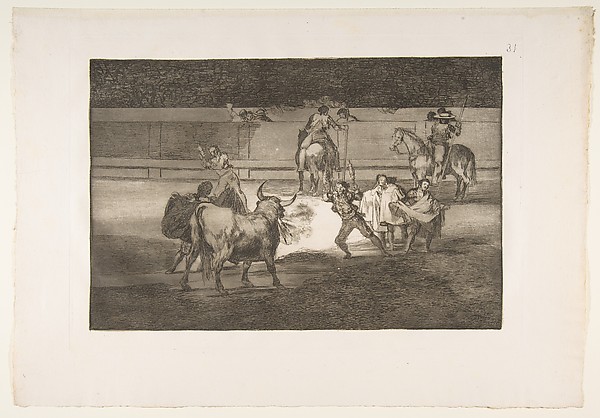
Plate 31 of "La Tauromaquia": Banderillas with firecrackers
1816
Etching, burnished aquatint, drypoint, burin
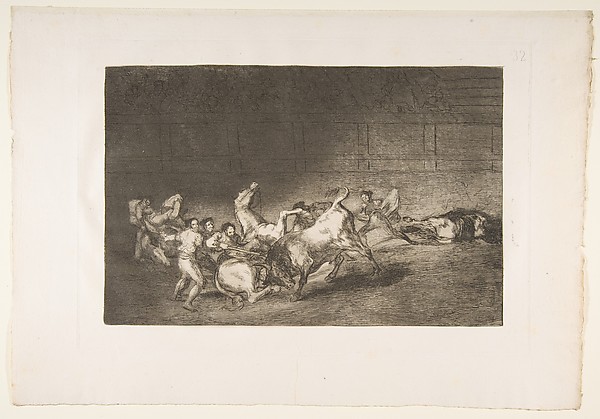
Plate 32 from "La Tauromaquia": Two teams of picadors thrown one after the other by a single bull
1816
Etching, burnished aquatint, drypoint, burin
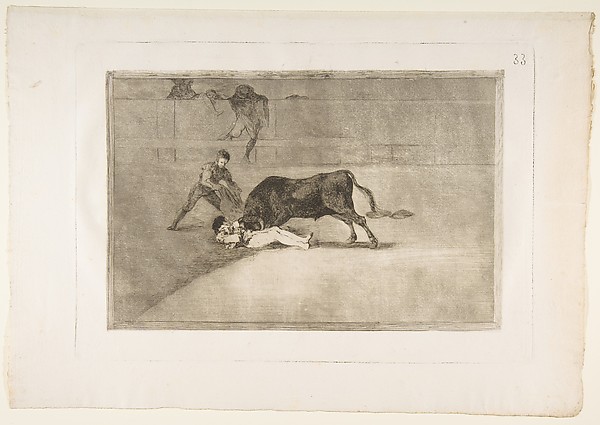
Plate 33 from "La Tauromaquia": The unlucky death of Pepe Illo in the ring at Madrid
1816
Etching, burnished aquatint, drypoint, burin
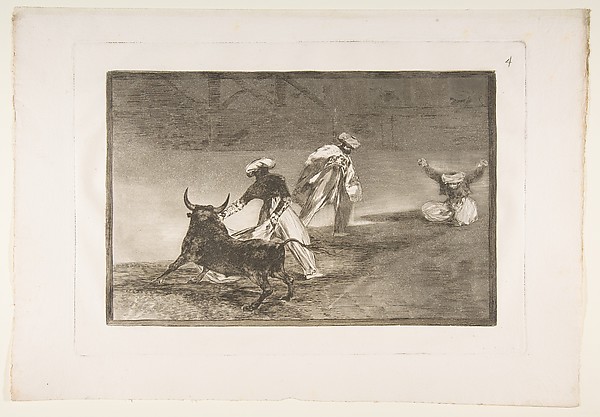
Plate 4 from "La Tauromaquia": They play another with the cape in an enclosure
1816
Etching, burnished aquatint, drypoint, burin
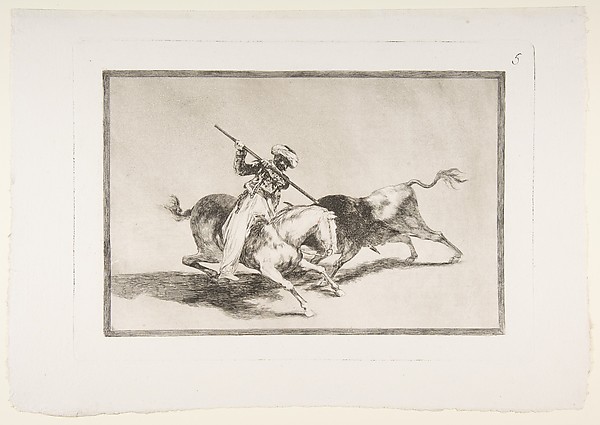
Plate 5 from "La Tauromaquia": The spirited Moor Gazul is the first to spear bulls according to the rules
1816
Etching, burnished aquatint, drypoint
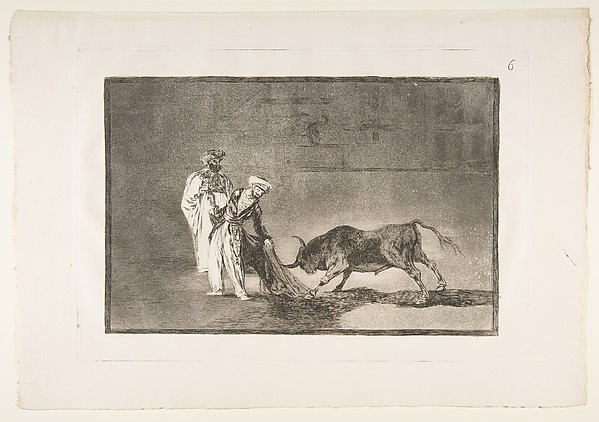
Plate 6 from "La Tauromaquia": The Moors make a different play in the ring calling the bull with their burnous
1816
Etching, burnished aquatint, drypoint
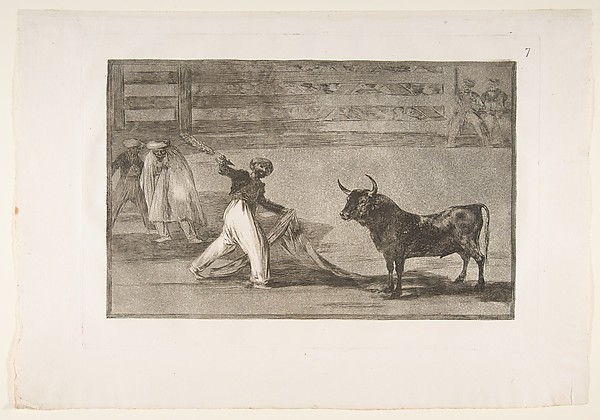
Plate 7 from "La Tauromaquia": Origin of the harpoon or banderillas
1816
Etching, burnished aquatint, burin
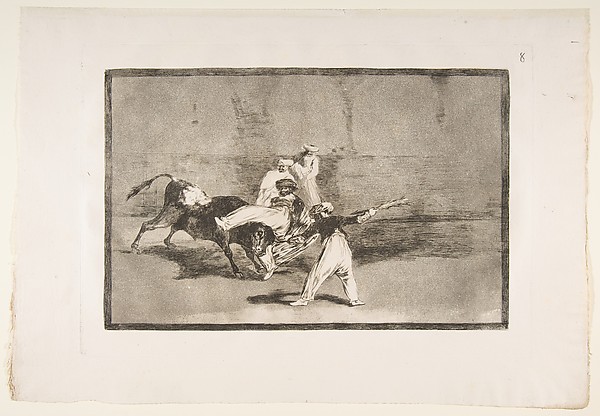
Plate 8 from "La Tauromaquia": A Moor caught by the bull in the ring
1816
Etching, burnished aquatint, drypoint
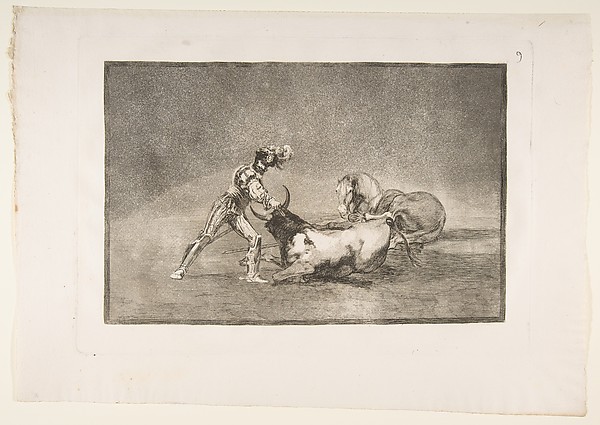
Plate 9 from "La Tauromaquia": A Spanish knight kills the bull after having lost his horse
1816
Etching, burnished aquatint, burin
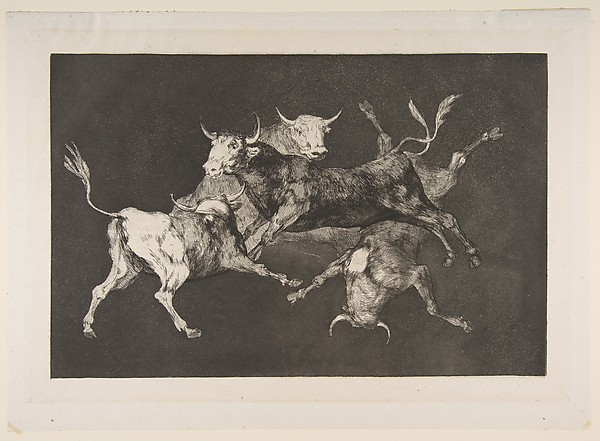
'Little Bulls' Folly' from the 'Disparates' (Follies / Irrationalities, Plate D)
ca. 1815–19 (published before 1877)
Etching, aquatint, drypoint on Japan paper
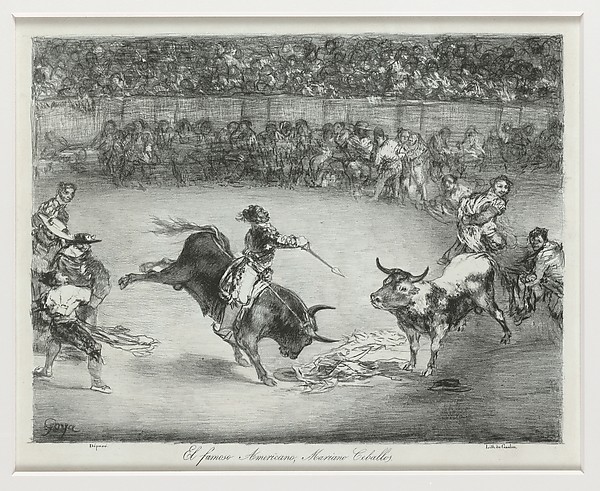
Mariano Ceballos riding a bull from the 'Bulls of Bordeaux'
1825
Crayon lithograph and scraper
Explora la coleccion completa
Todos los grabados de esta galeria proceden de la coleccion permanente del Metropolitan Museum of Art de Nueva York, disponibles bajo licencia Open Access (CC0).